


“Forecasting exists to make astrology look respectable.” – JK Galbraith
“The commentariat has cost those who listen to them much more money than they have ever saved.”- B Ritholtz

Why is there a giant industry dedicated to forecasting the economic future? What is the purpose?
Is it to help investors be more successful? Obviously not, since forecasting undermines a few qualities that are crucial for successful, lifelong investors:
Humility- “No one knows anything.”
Optimism- “Pessimists have been on the losing side of the trade for all of human history.”
Steadfast adherence to a lifelong plan- “Markets go up and down; it is easier to ride out a drawdown when you realize the giveback is but a small percentage of the prior gains.”
Comfort with not knowing the unknowable.

What is wrong with people!?! Nothing
Our own brain wiring undermines these qualities already. We have a powerful instinct to respond to perceived threats, and an urge to get a grasp on how things work and what will happen next.
We can’t all be proficient in every subject- our brains create shortcuts to understand the world around us. This unreliable process creates all types of fallacies that we misinterpret as facts.
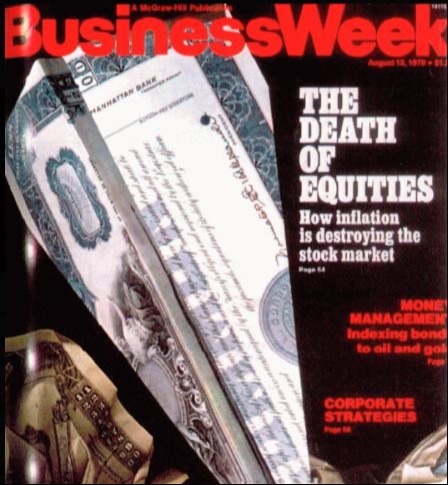
"Oops. Just kidding."
In his new book “How NOT to Invest”, author Barry Ritholtz gives example after example of the humorously forlorn ways that forecasting + our brains have led investors disastrously astray over the years.
I’ll try to limit myself to just a few examples:
1. Denominator blindness: (or, our failure to put big, scary numbers into context.)
“Stocks Drop 300 Points; ABC Fund Loses $879 Million; XYZ Corp Cuts 3,000 Jobs.”
Sounds bad! Is it bad? Is that 3%, 13%, or 33%? Without context, we’ll never know!
2. Fearing the wrong things:
After 9/11, people became so afraid of another random terrorist attack that they decided to drive. Driving fatalities shot up in the following years.
People are so fearful of random, temporary market declines that they often sell investments at losses never to return, putting their remaining money in the bank, where it will be eroded by taxes and inflation.
3. A combination of both
At the beginning of Covid, we knew leisure, dining, lodging, airlines, and department stores would suffer terribly during a lockdown. The stocks of related companies declined double digits which we interpreted as irreversible economic damage.
Why did the S&P 500 take it in stride? Those sectors were small enough by market cap that they didn't have the negative impact our intuition led us to expect.
4. The baddest boogeyman of all: Recession
The list of forecasts calling for recessions that never materialized, and actual recessions that no one saw coming, is so pitifully long that any accurate calls must be seen as lucky guesses.
Here are a few details about recessions that we need to remember:
- Recessions are called based on backward looking data- defined as two consecutive quarters of slowing growth.
- Often by the time we realize we’re in a recession, the forward-looking markets have already resumed an upward trend.
While recessions can affect our employment, we can plan for an unexpected job loss by accumulating an emergency savings fund, and staying out of debt.
Planning can prevent the need to sell our retirement investments at a bad time, which is the common reason that investment losses are associated with recession.

So why do forecasters get so much screen time, forecasting recessions all day long? Does that mean we’re supposed to do something?
Sure seems that way, doesn’t it? I suspect the motive for capturing and holding onto anxious eyeballs has more to do with their personal enrichment, not yours.
Forecasting is noise, not signal. Successful investors don’t try to outguess the future- they build durable plans that work despite uncertainty. So turn off the noise, and trust the process.
Want a copy of the book for yourself or someone who needs it? Let me know!
Content in this material is for general information only and not intended to provide specific advice or recommendations for any individual. All performance referenced is historical and is no guarantee of future results.
Securities and Retirement Plan Consulting Program services offered through LPL Financial, a Registered Investment Advisor. Member FINRA/SIPC. Investment Advice offered through Western Wealth Management LLC, a Registered Investment Advisor. Kennebec Wealth Management LLC and Westen Wealth Management LLA are separate entities from LPL Financial.